
Yes, you can learn Python without programming experience. Start with beginner-focused instruction, practise core concepts, and build small programs step by ...

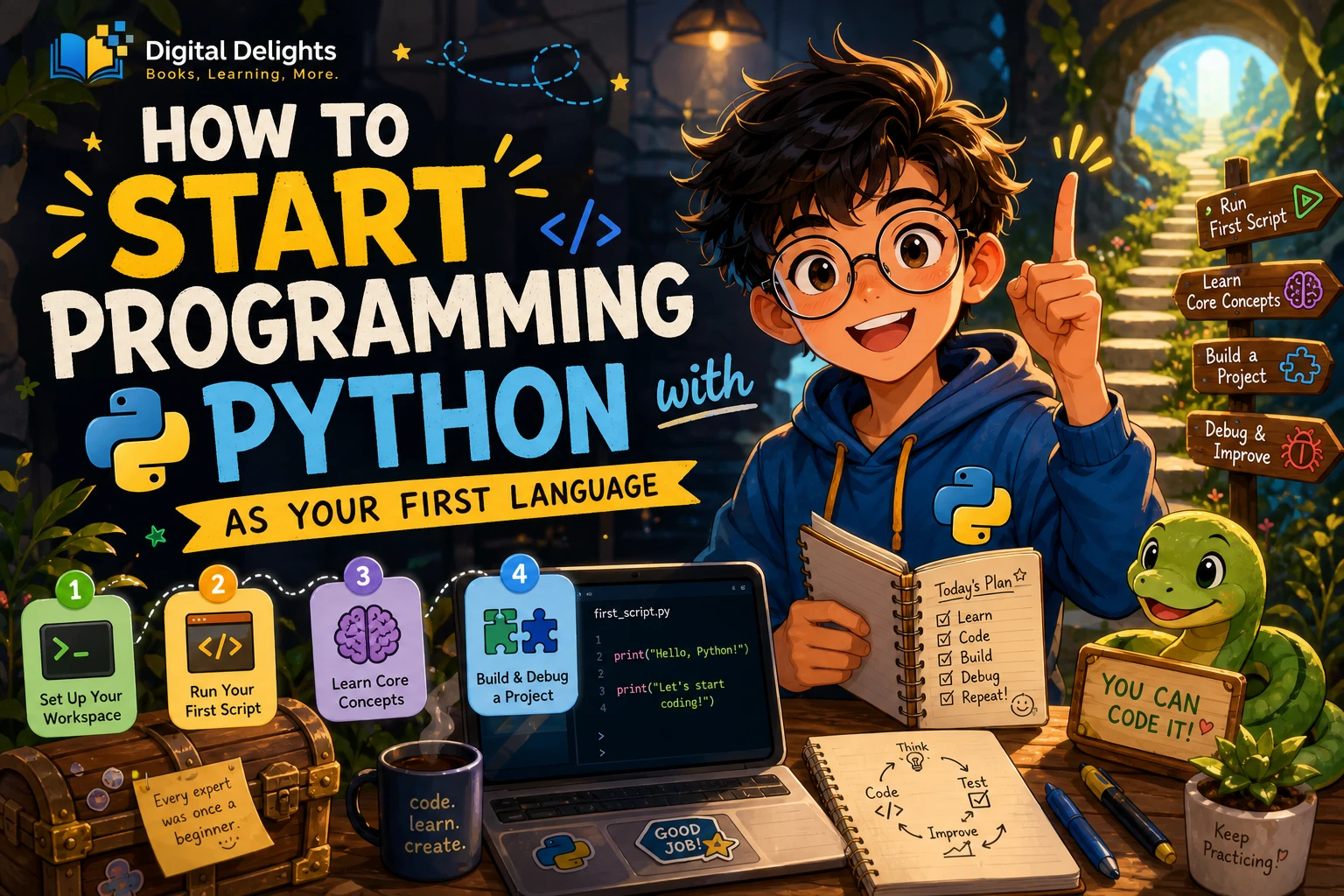
Start programming with Python by setting up a simple workspace, running your first script, learning core concepts, building a small project, and debugging.
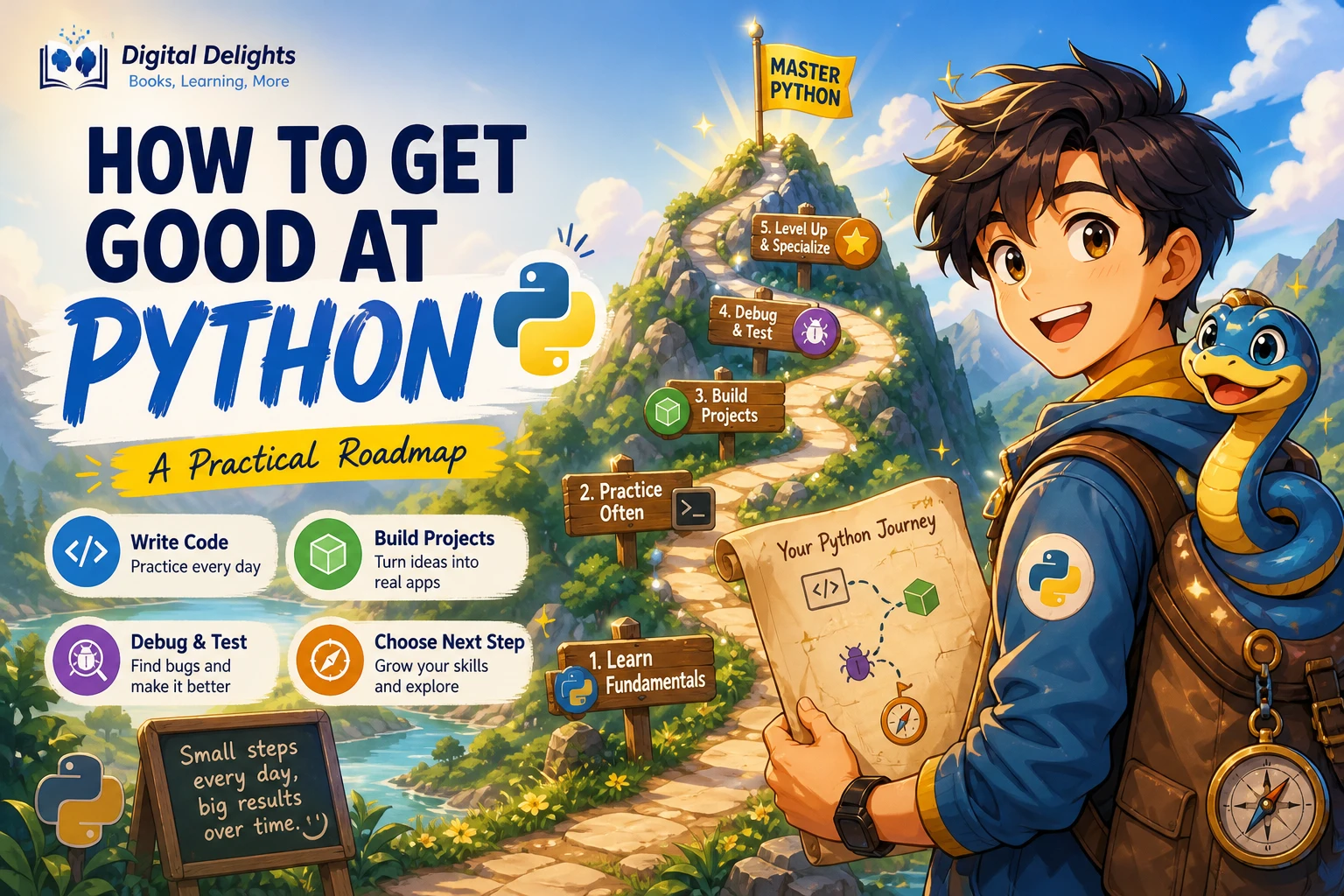
Learn how to get good at Python with a practical roadmap: master the fundamentals, practise by writing code, build projects, debug, test, and choose a next ...
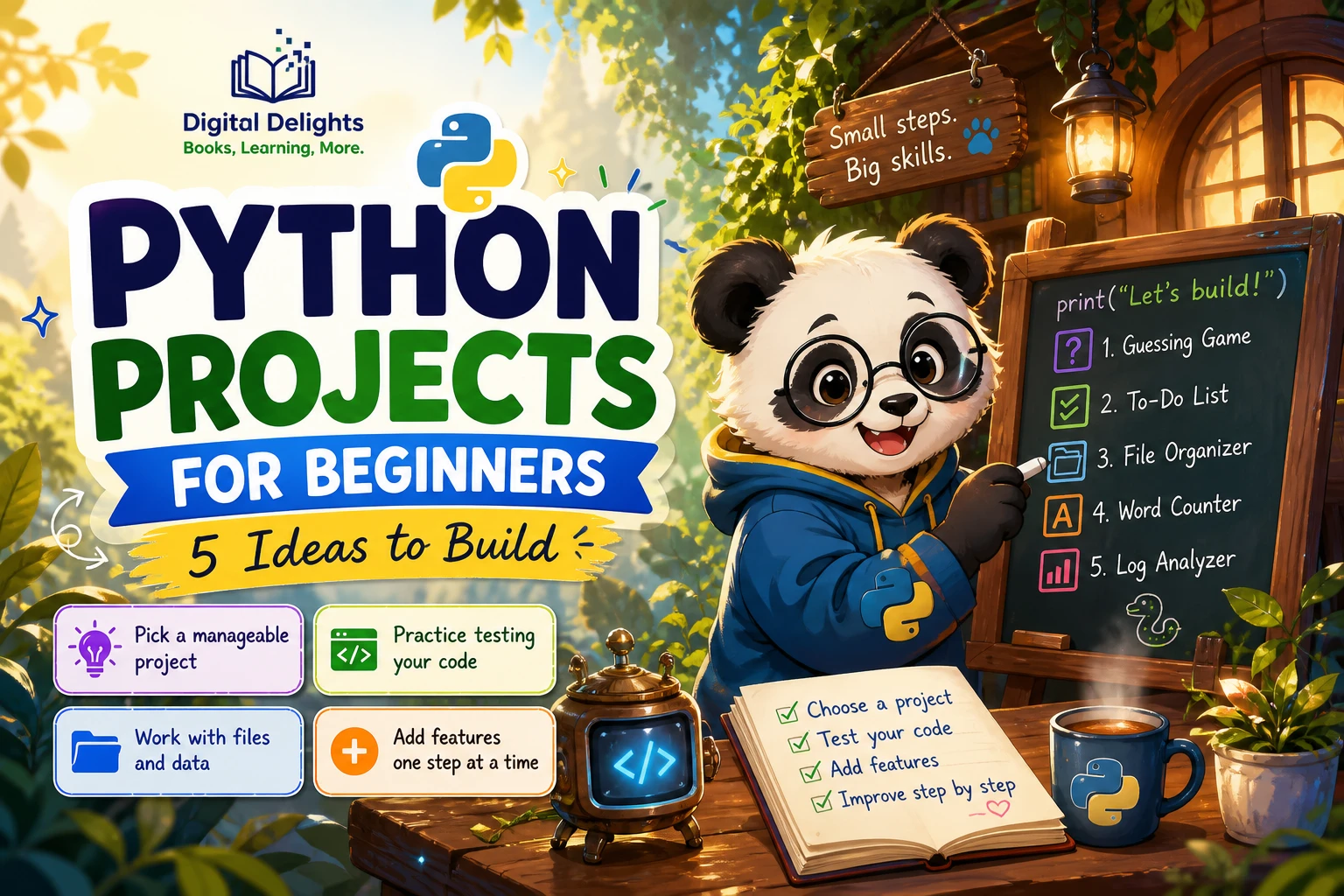
Try Python projects for beginners, from guessing games to file-based tools. Choose a manageable build, practise testing, and add features one step at a time.
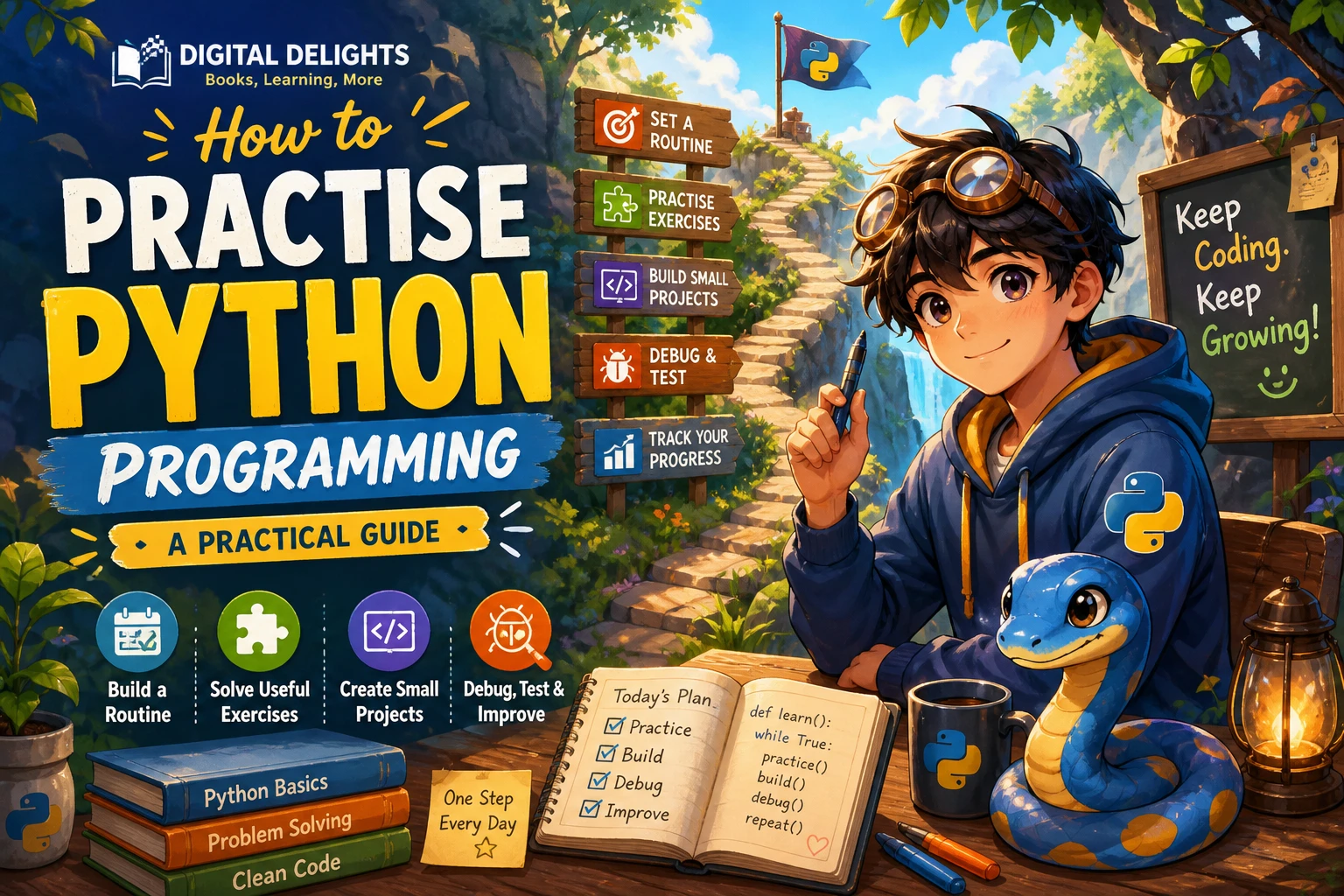
Learn how to practise Python programming with a repeatable routine, useful exercises, small projects, debugging, testing, and ways to track progress as you ...
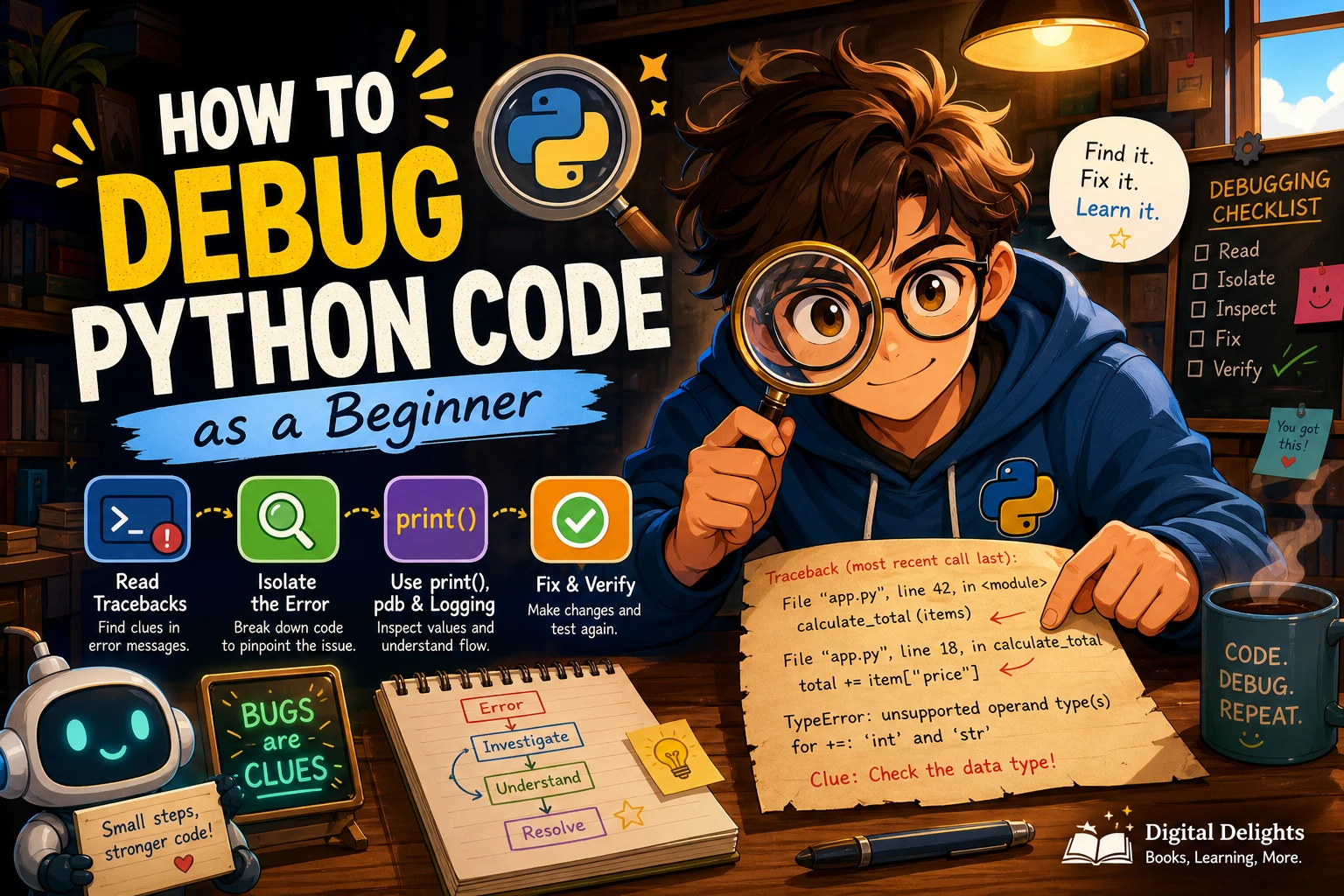
Learn how to debug Python code by reading tracebacks, isolating errors, using print(), pdb, and logging, then verify fixes with a simple repeatable process.
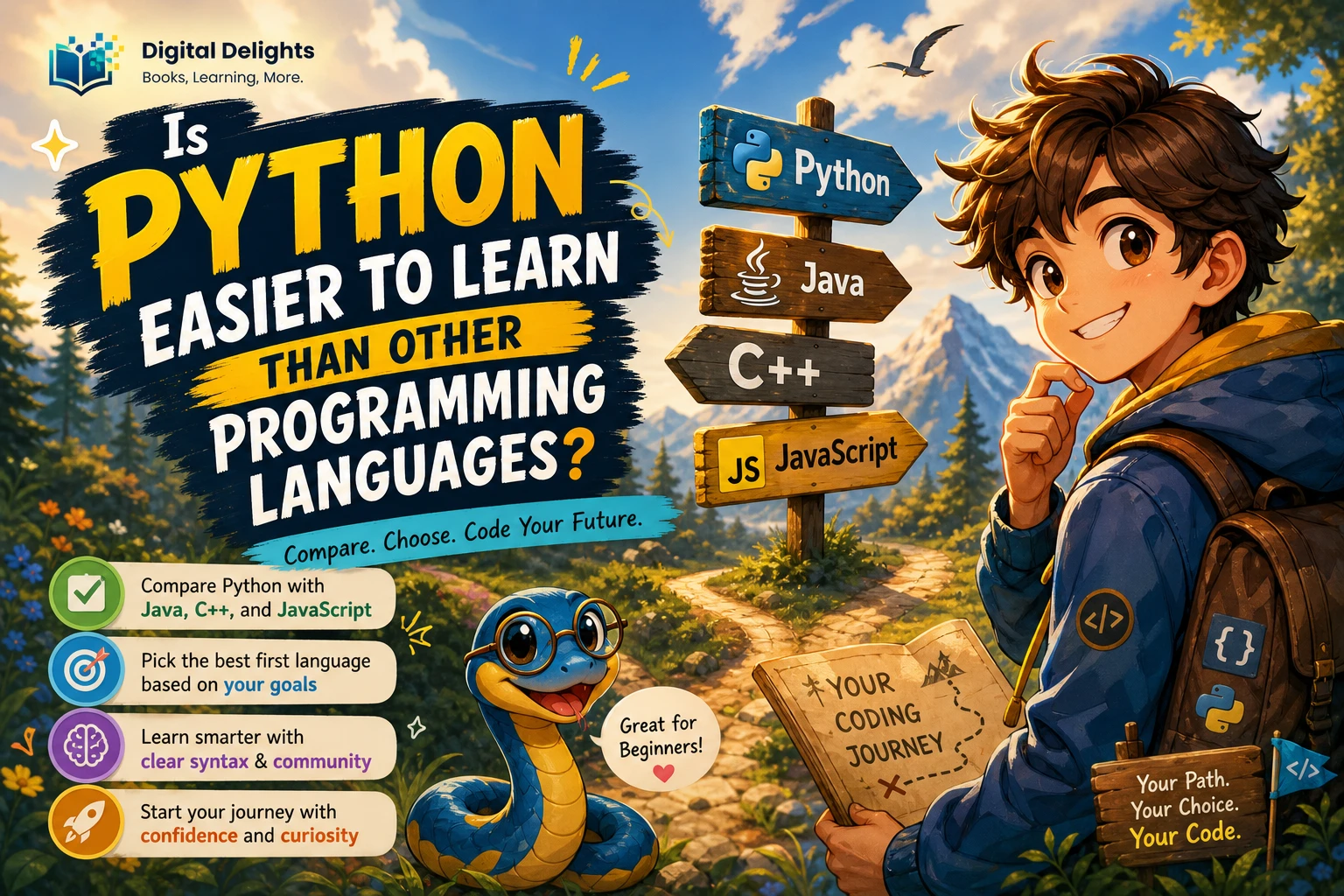
Is Python easier to learn than other programming languages? Compare Python with Java, C++, and JavaScript, then choose a first language based on your goals.
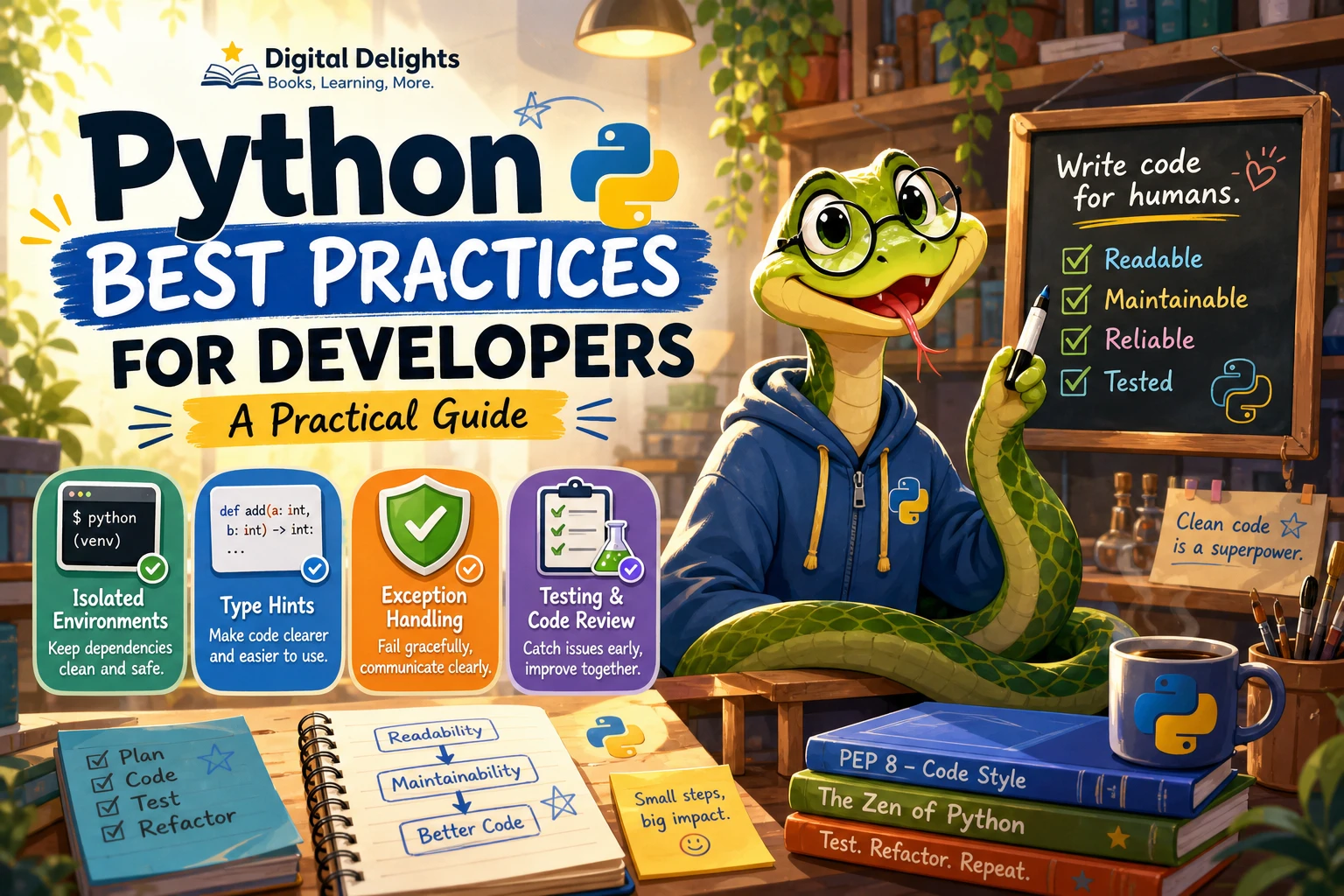
Learn practical Python best practices for readable, maintainable code, from isolated environments and type hints to exception handling, testing, and code ...
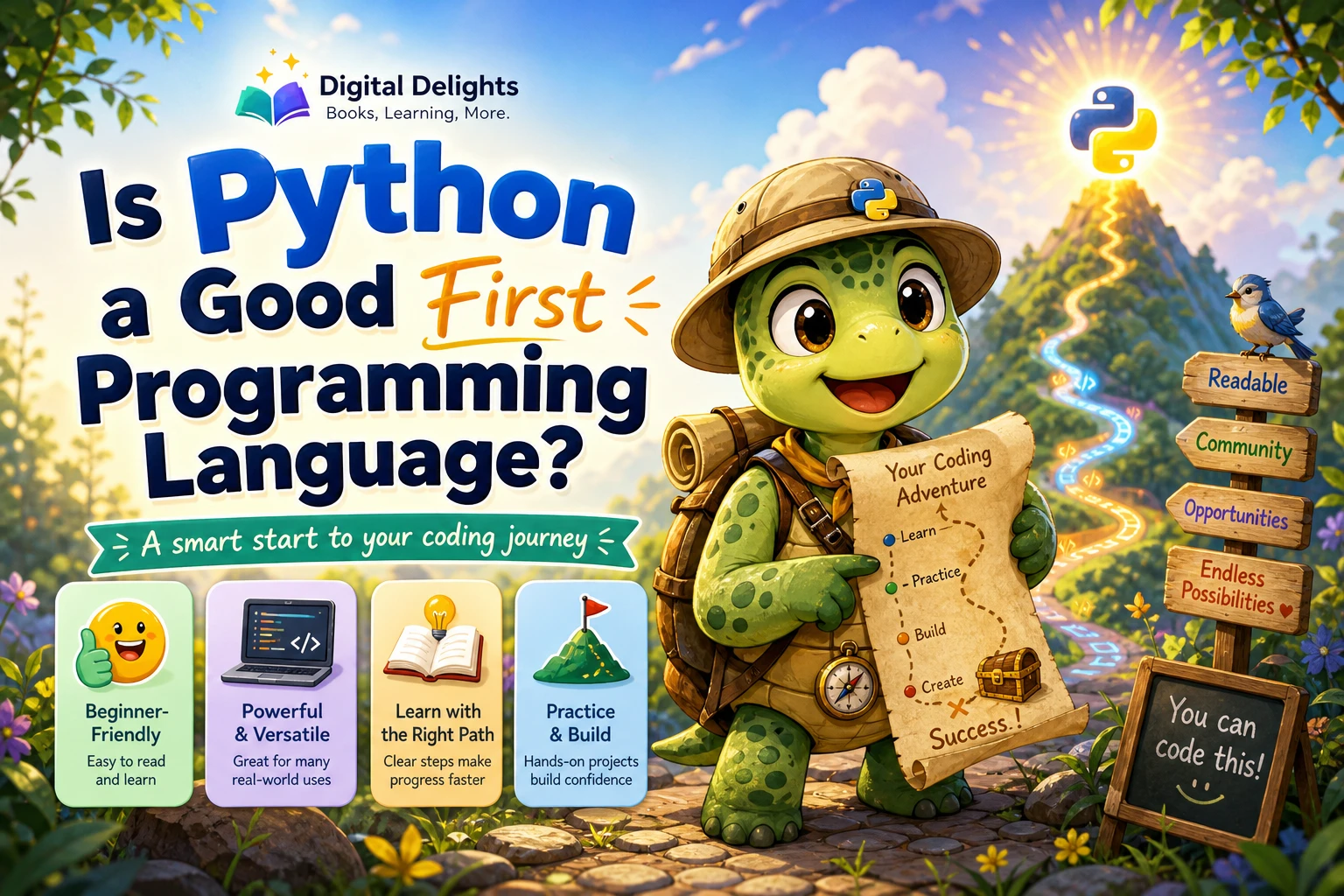
Is Python a good first programming language? Explore its strengths and challenges, choose beginner-friendly instruction, and follow a practical path into ...
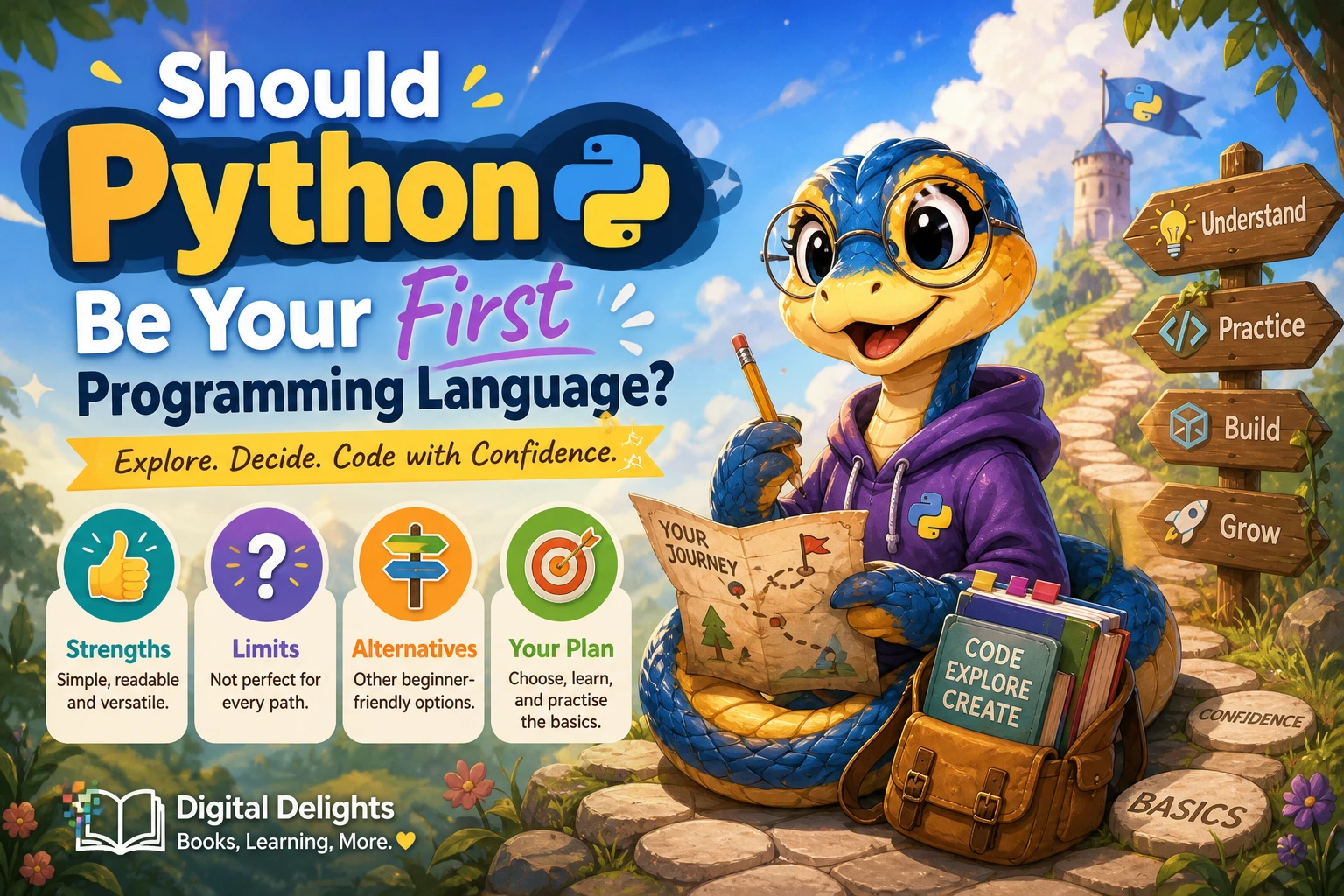
Is Python a good first programming language? Explore its strengths, limits, alternatives, and a practical plan for choosing beginner-friendly instruction and ...