
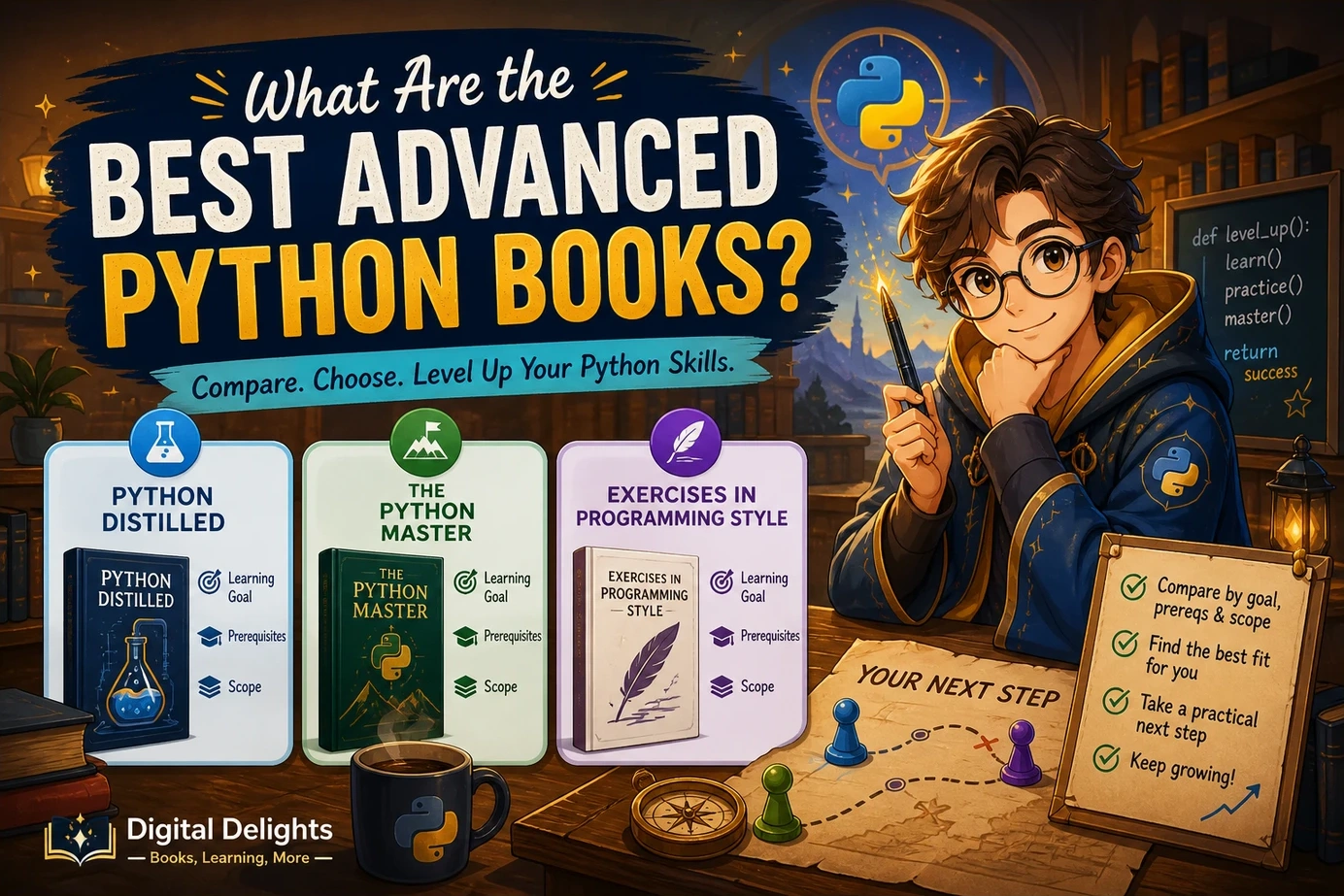
Compare Python Distilled, The Python Master, and Exercises in Programming Style by learning goal, prerequisites, and scope, then choose a practical next step.

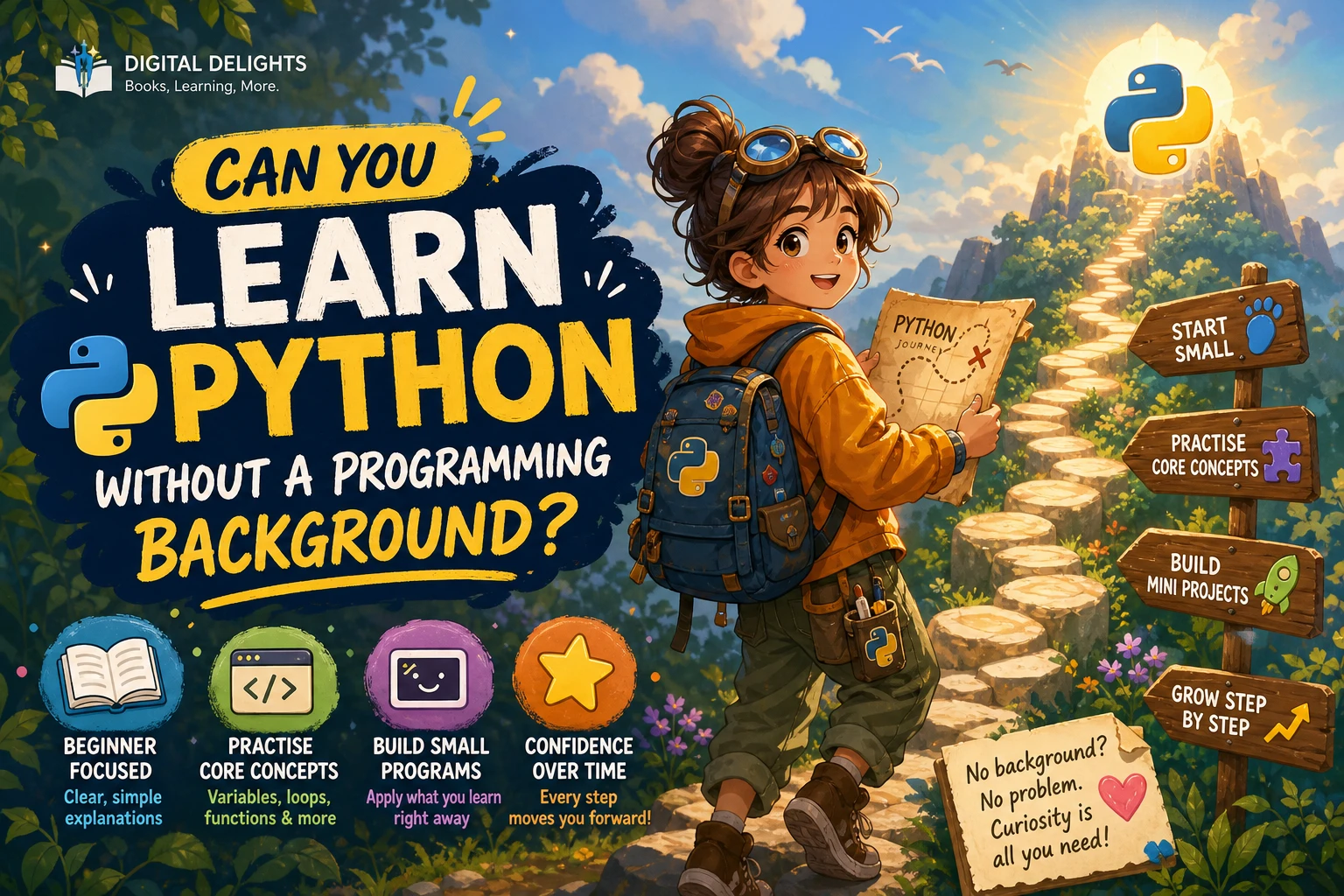
Yes, you can learn Python without programming experience. Start with beginner-focused instruction, practise core concepts, and build small programs step by ...
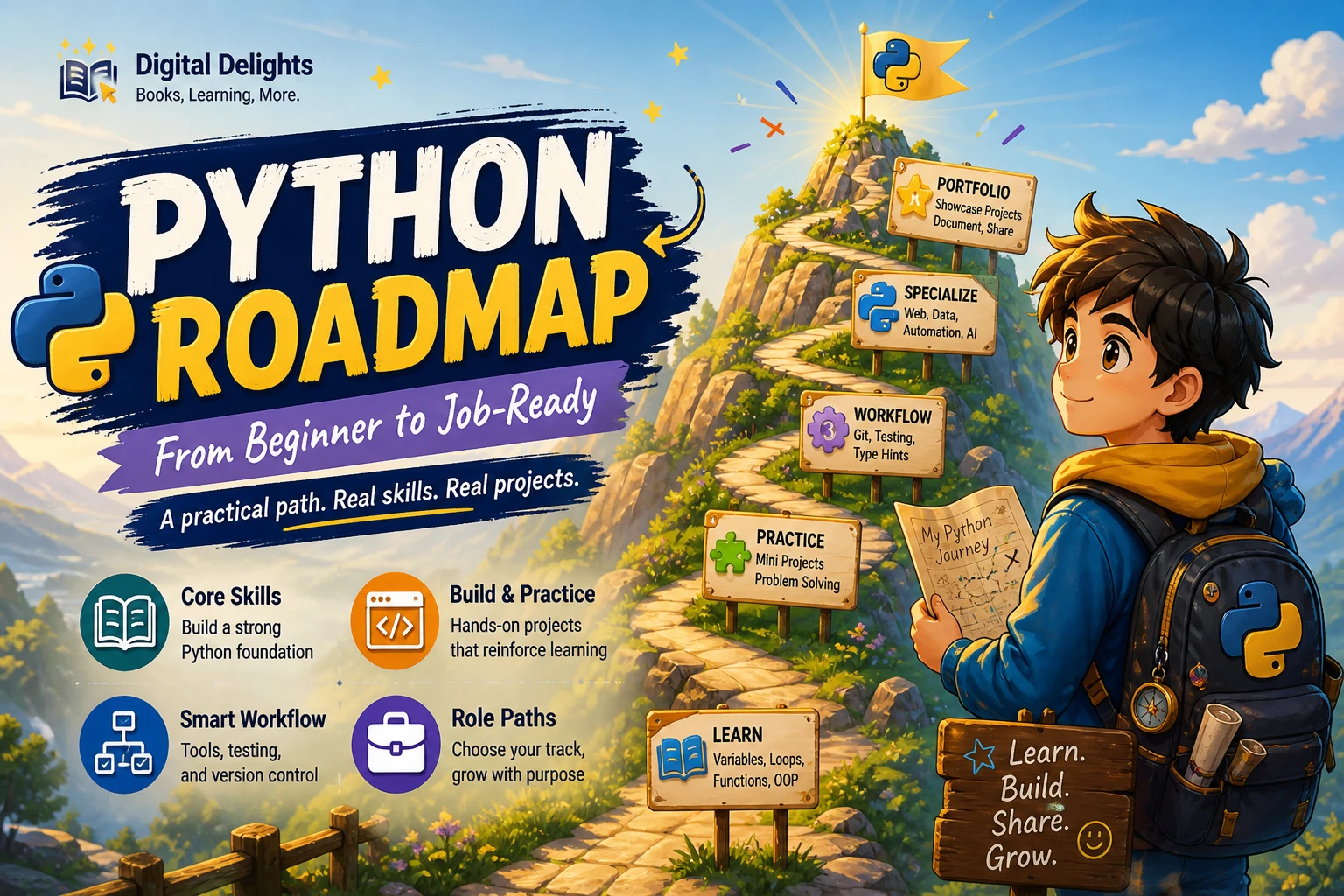
Follow a practical Python learning roadmap from core skills to projects, workflow, role-specific paths, and a portfolio—without unrealistic job promises.
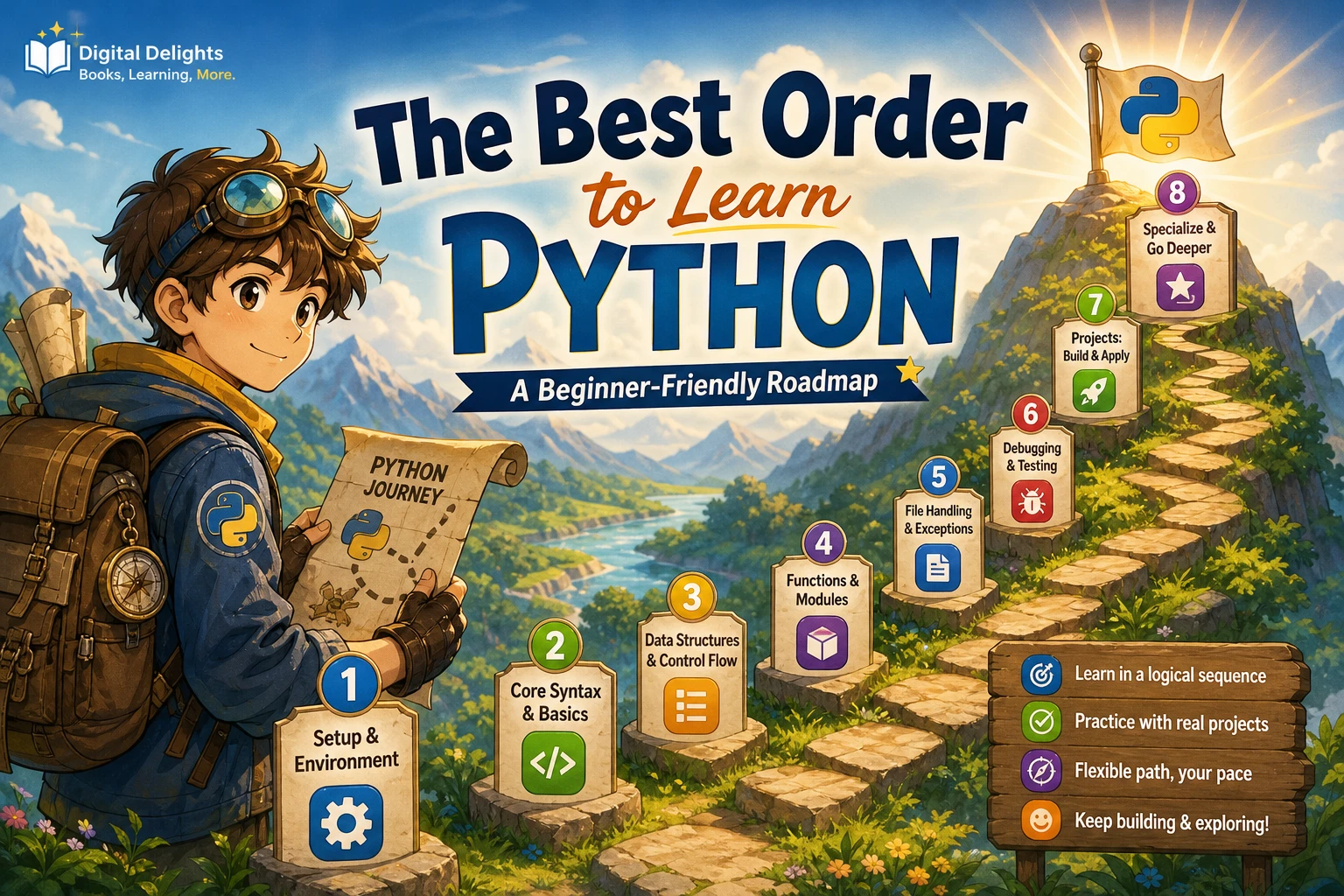
Learn the best order to learn Python, from setup and core syntax to debugging, projects, and a specialization—with a flexible roadmap for beginners.
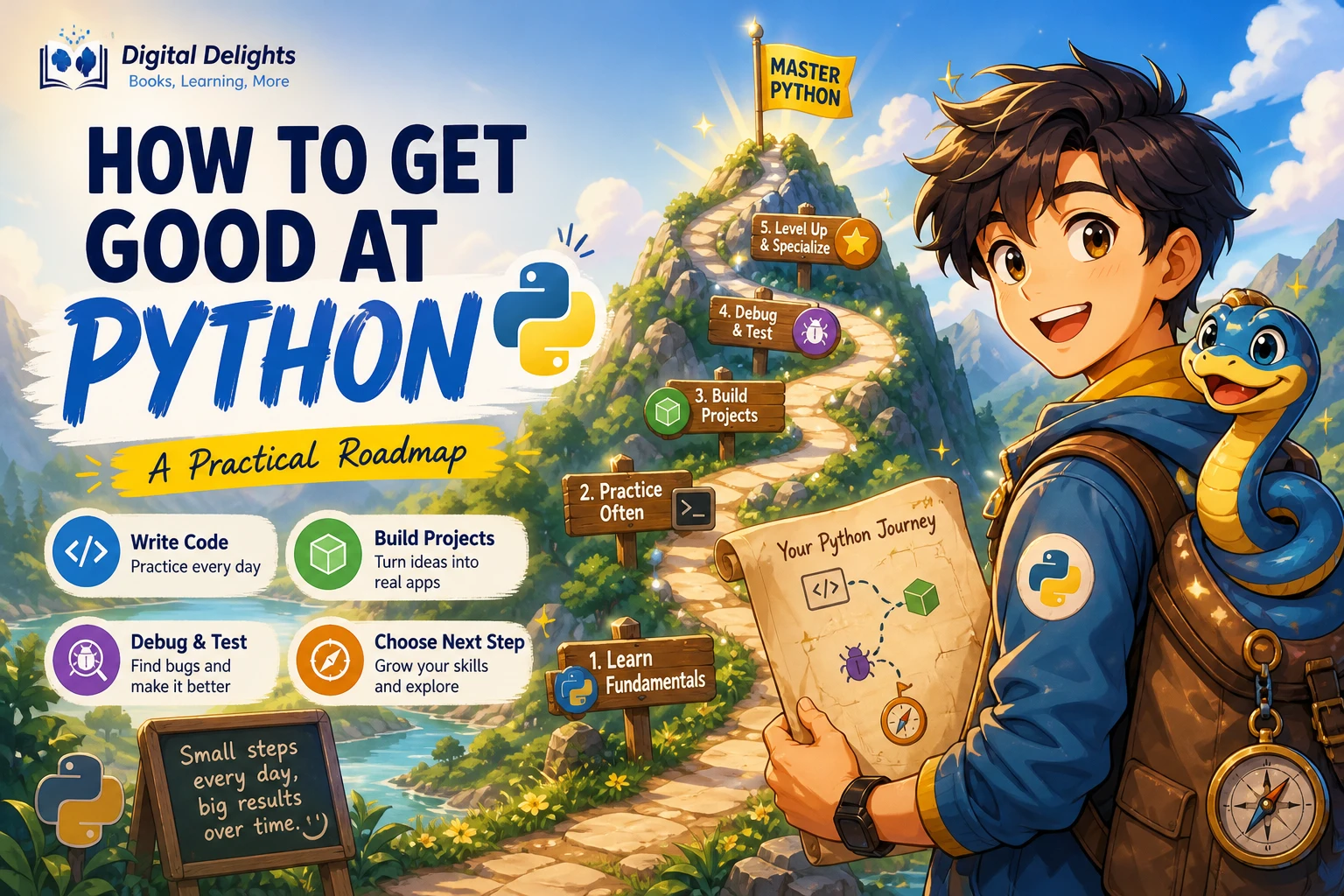
Learn how to get good at Python with a practical roadmap: master the fundamentals, practise by writing code, build projects, debug, test, and choose a next ...
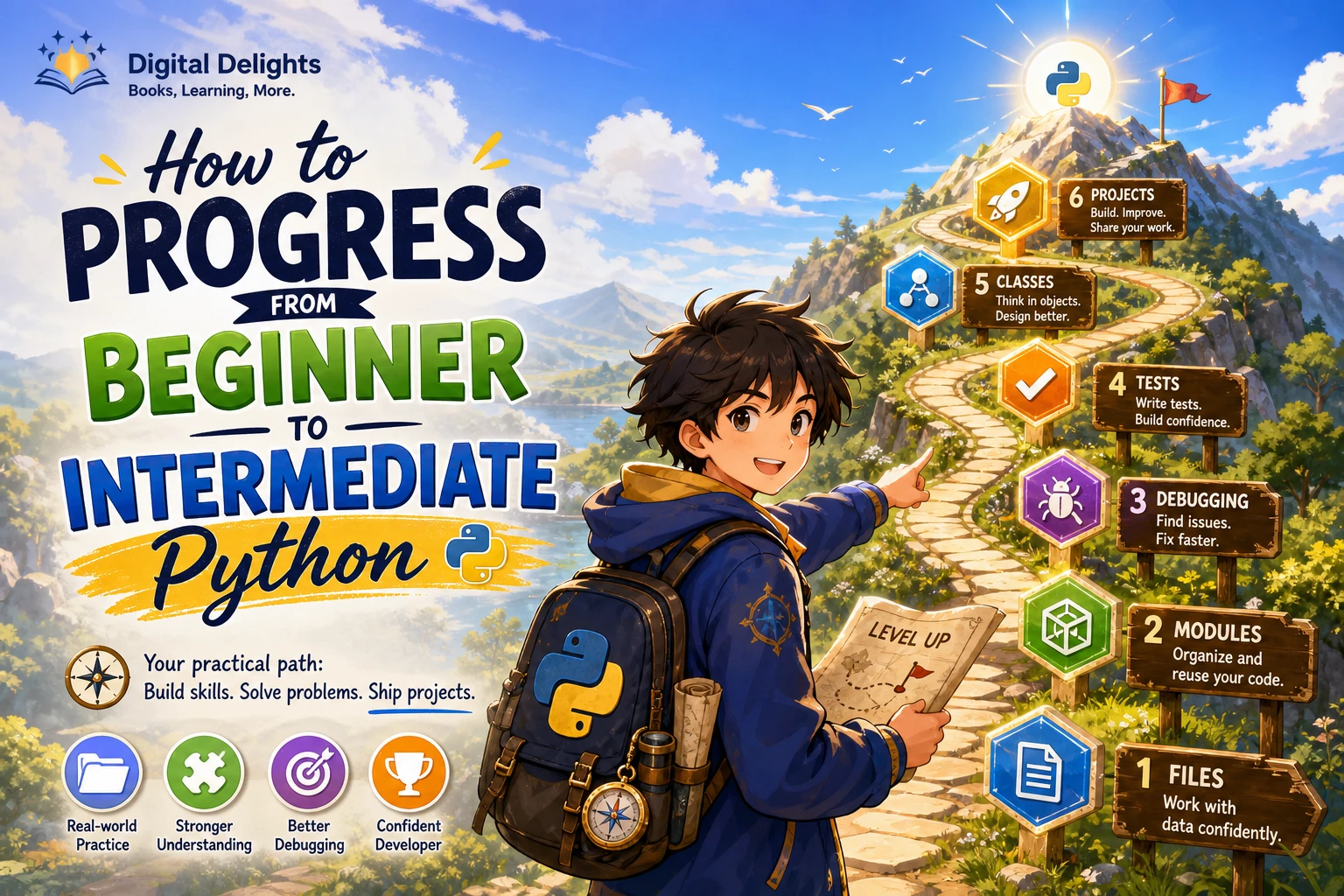
Learn how to progress from beginner to intermediate Python with a practical sequence for files, modules, debugging, tests, classes, and projects.
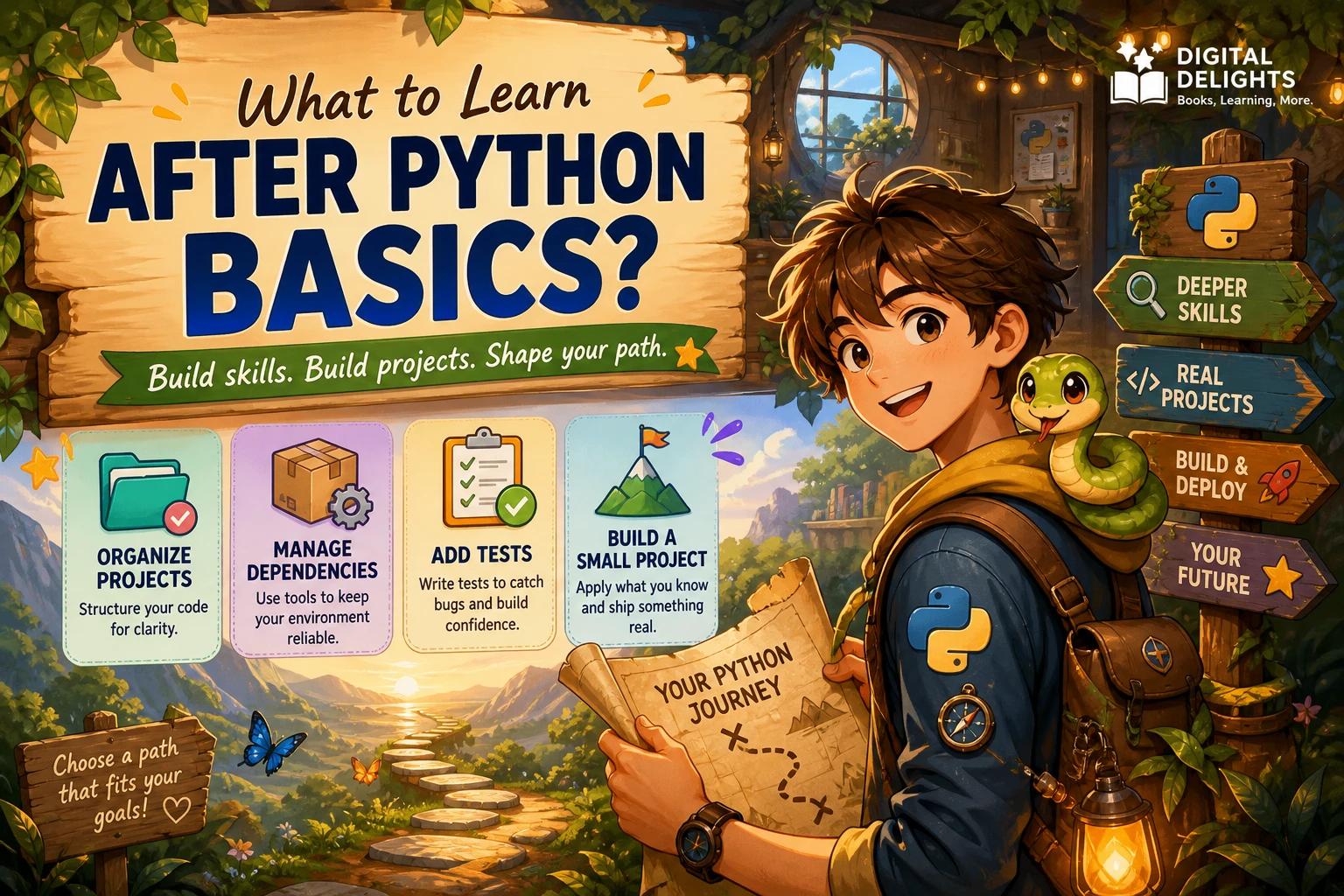
Learn what to study after Python basics: organize projects, manage dependencies, add tests, build a small project, and choose a path that fits your goals.
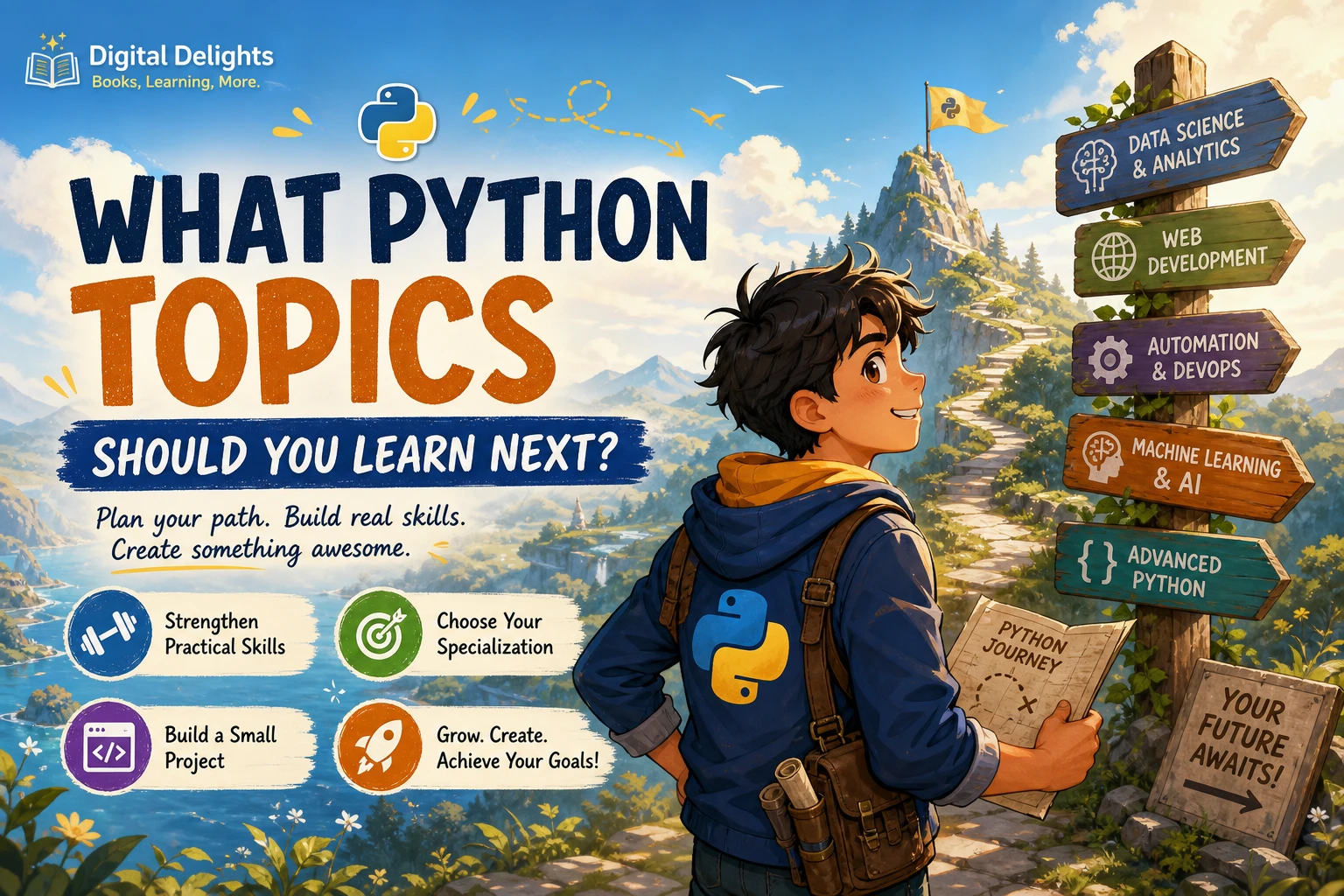
Learn what to study after Python basics: strengthen practical skills, choose a specialization, and build a small project that fits your goals.
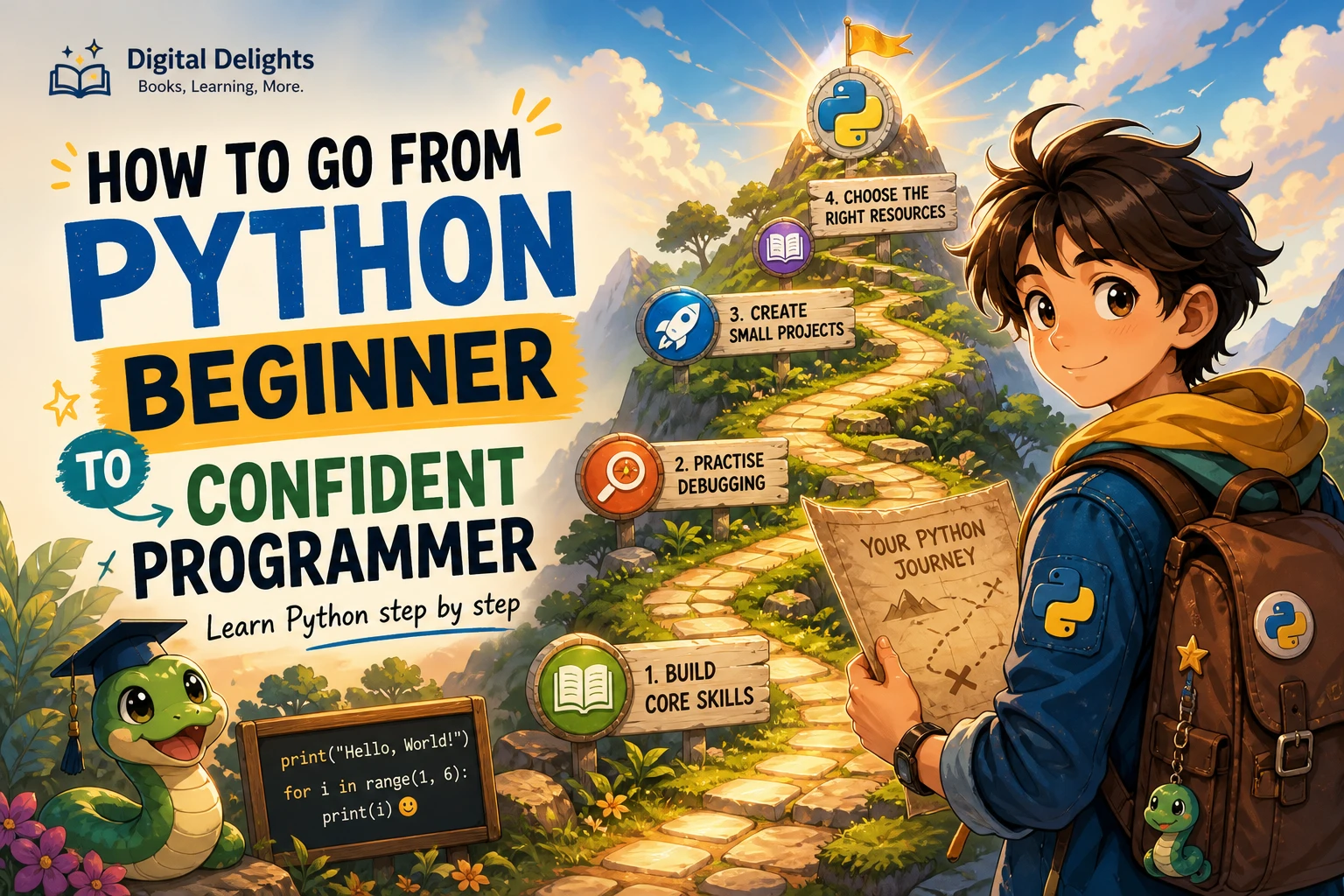
Learn Python step by step: build core skills, practise debugging, create small projects, and choose resources that match your experience.
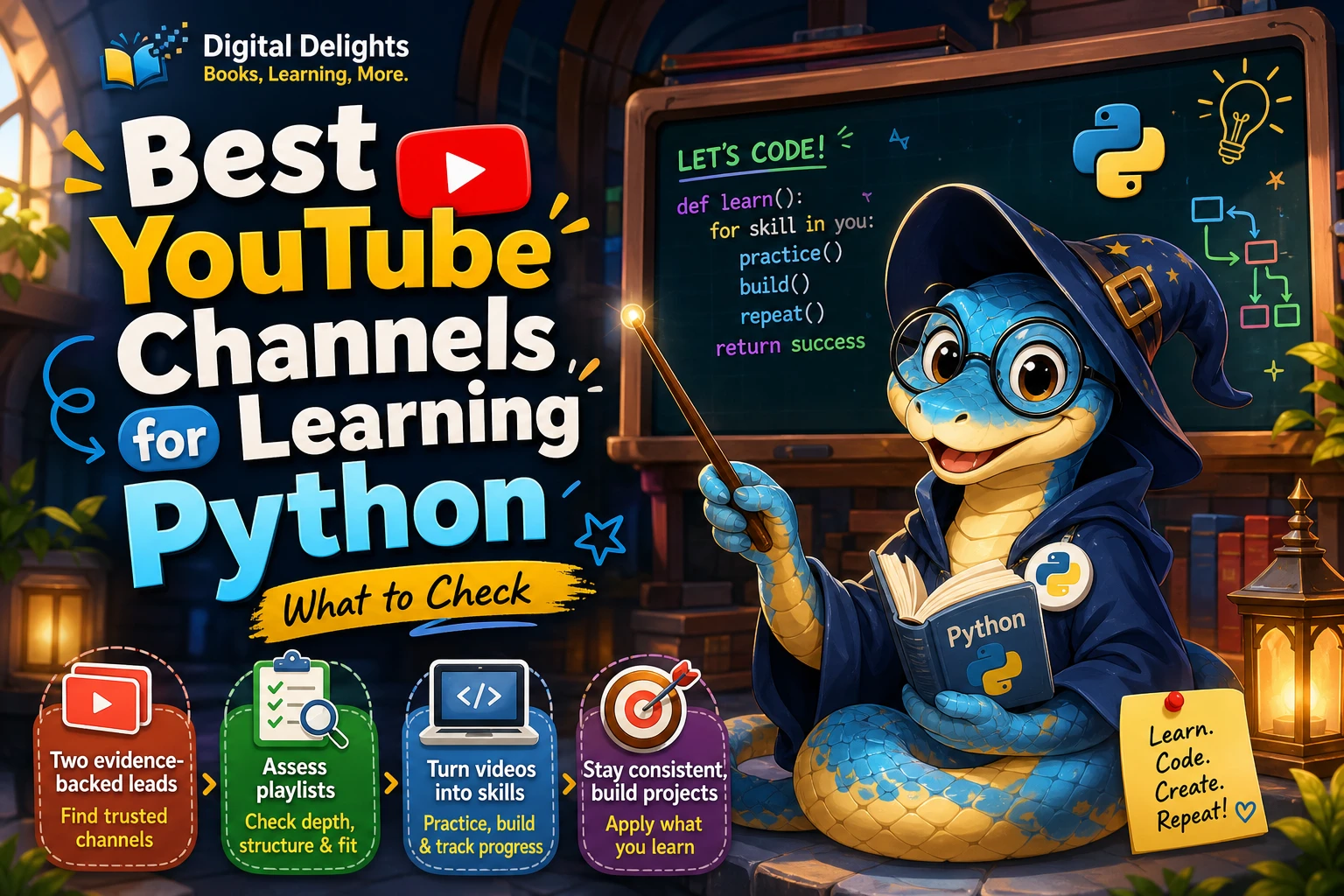
Explore two evidence-backed leads for learning Python on YouTube, how to assess their playlists, and practical ways to turn video lessons into coding skills.
- 1
- 2
- 3
- …
- 10
- Next Page »