
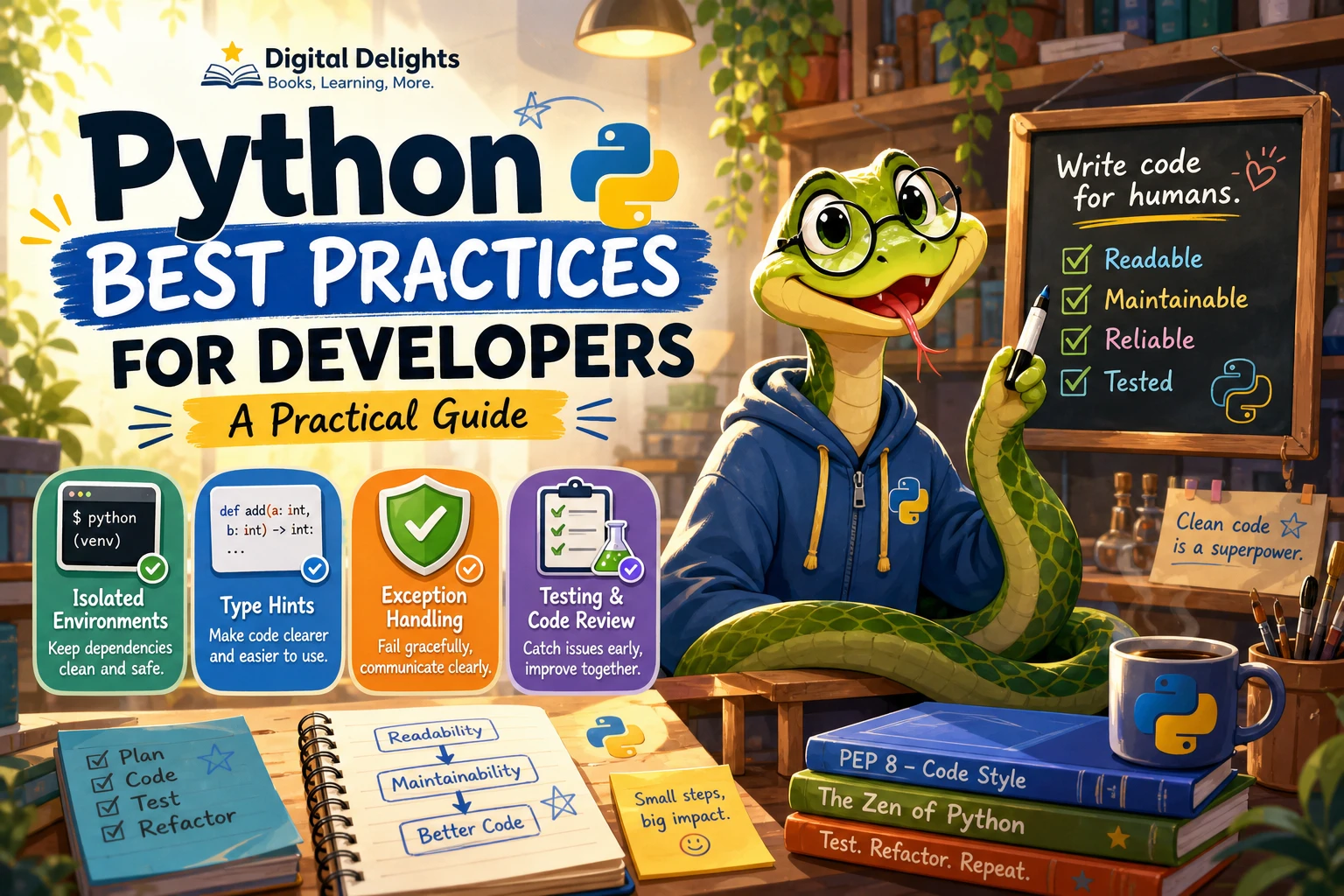
Learn practical Python best practices for readable, maintainable code, from isolated environments and type hints to exception handling, testing, and code ...

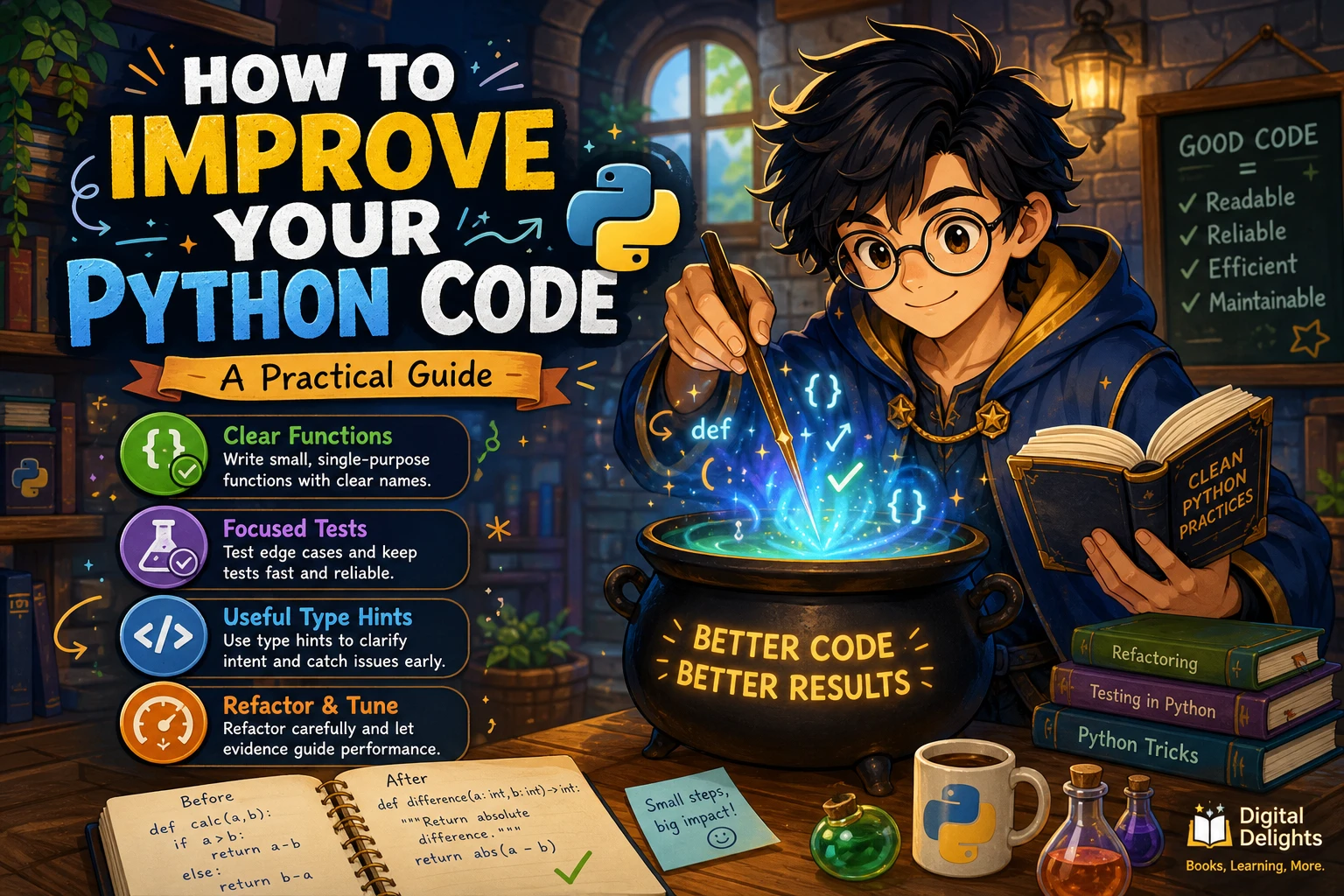
Improve Python code with clearer functions, focused tests, useful type hints, careful refactoring, and evidence-led performance tuning.
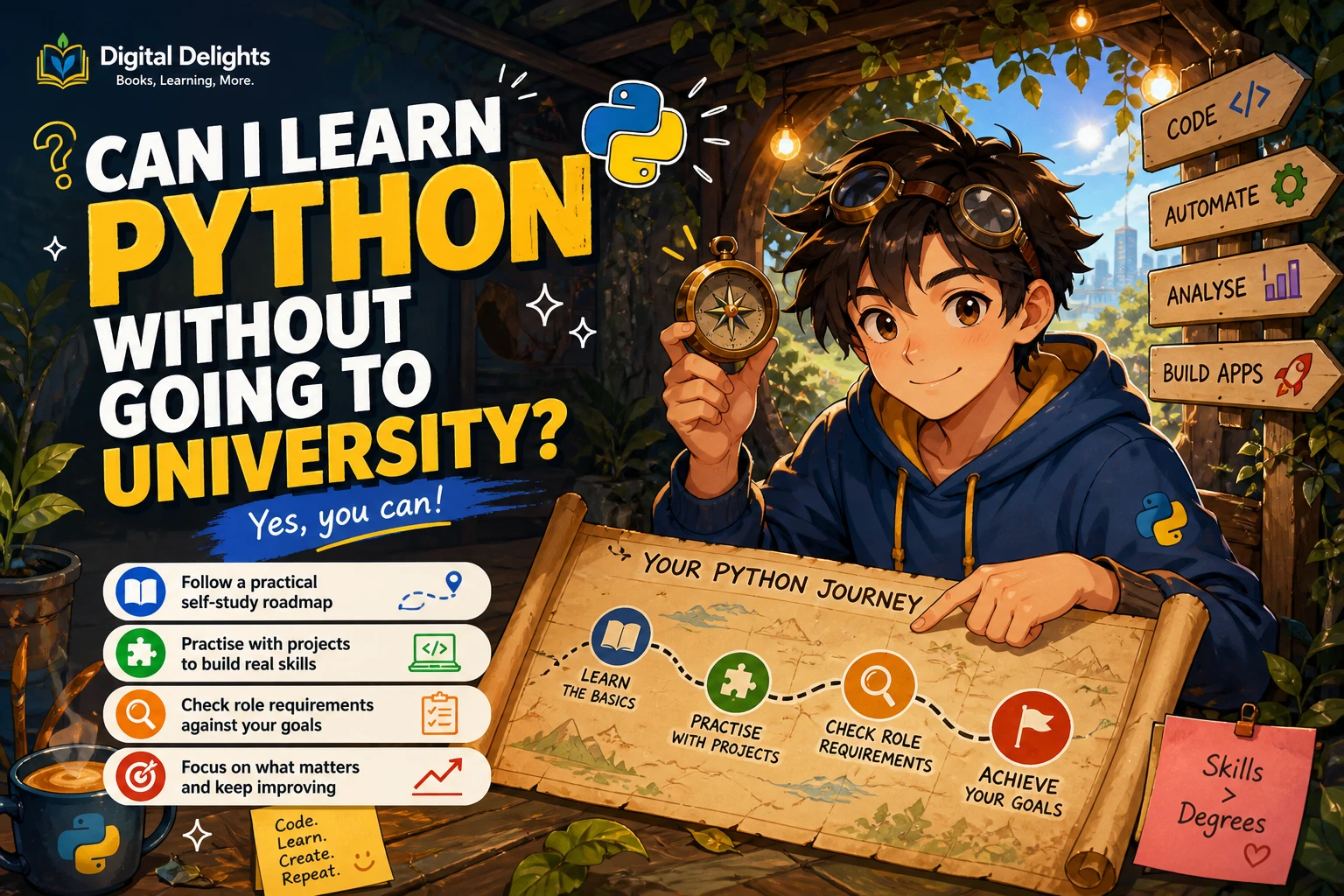
Yes, you can learn Python without university. Follow a practical self-study roadmap, practise with projects and check role requirements against your goals.
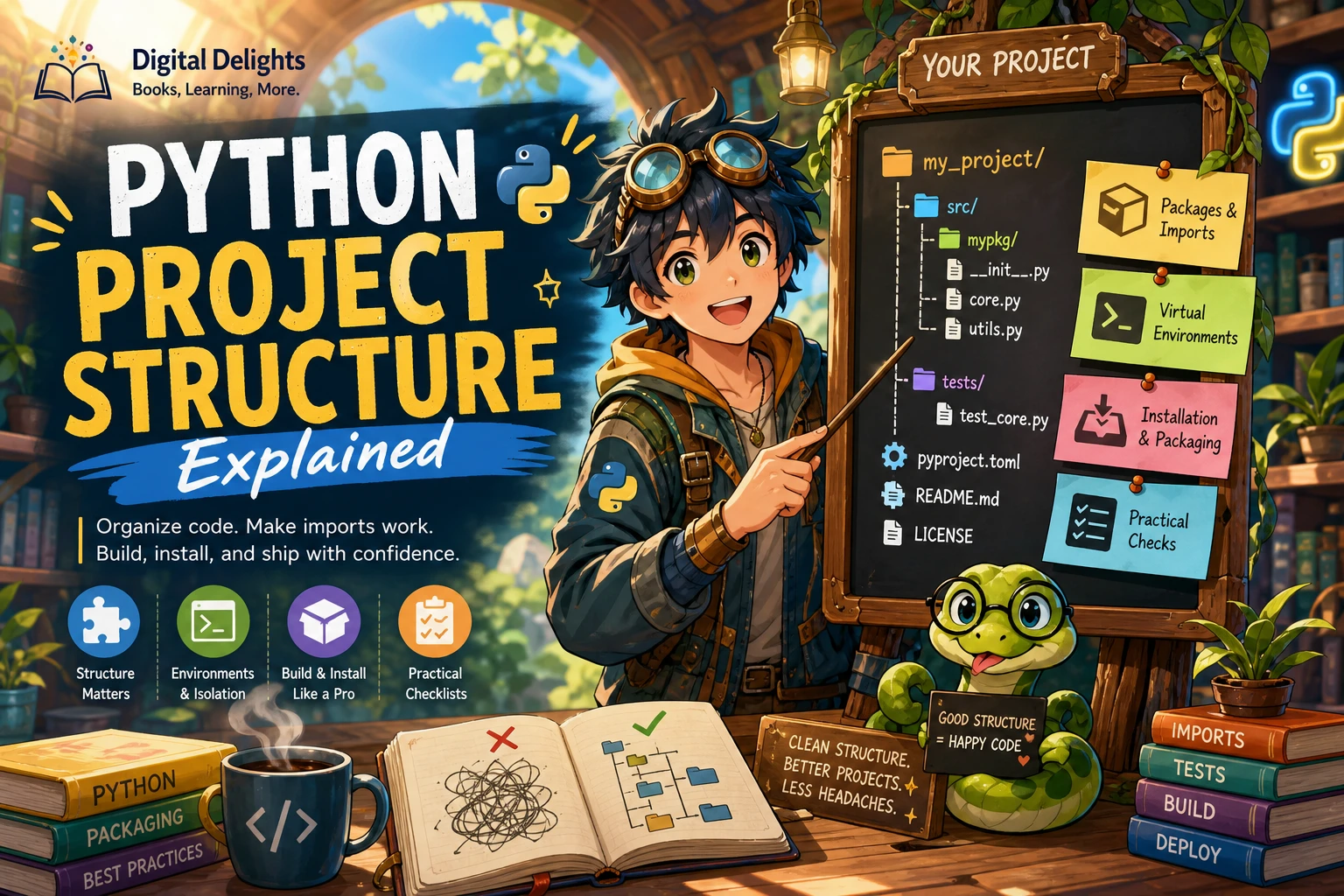
Learn how Python project structure affects imports, packages, virtual environments, and installation. Compare layouts and get practical checks for organizing ...
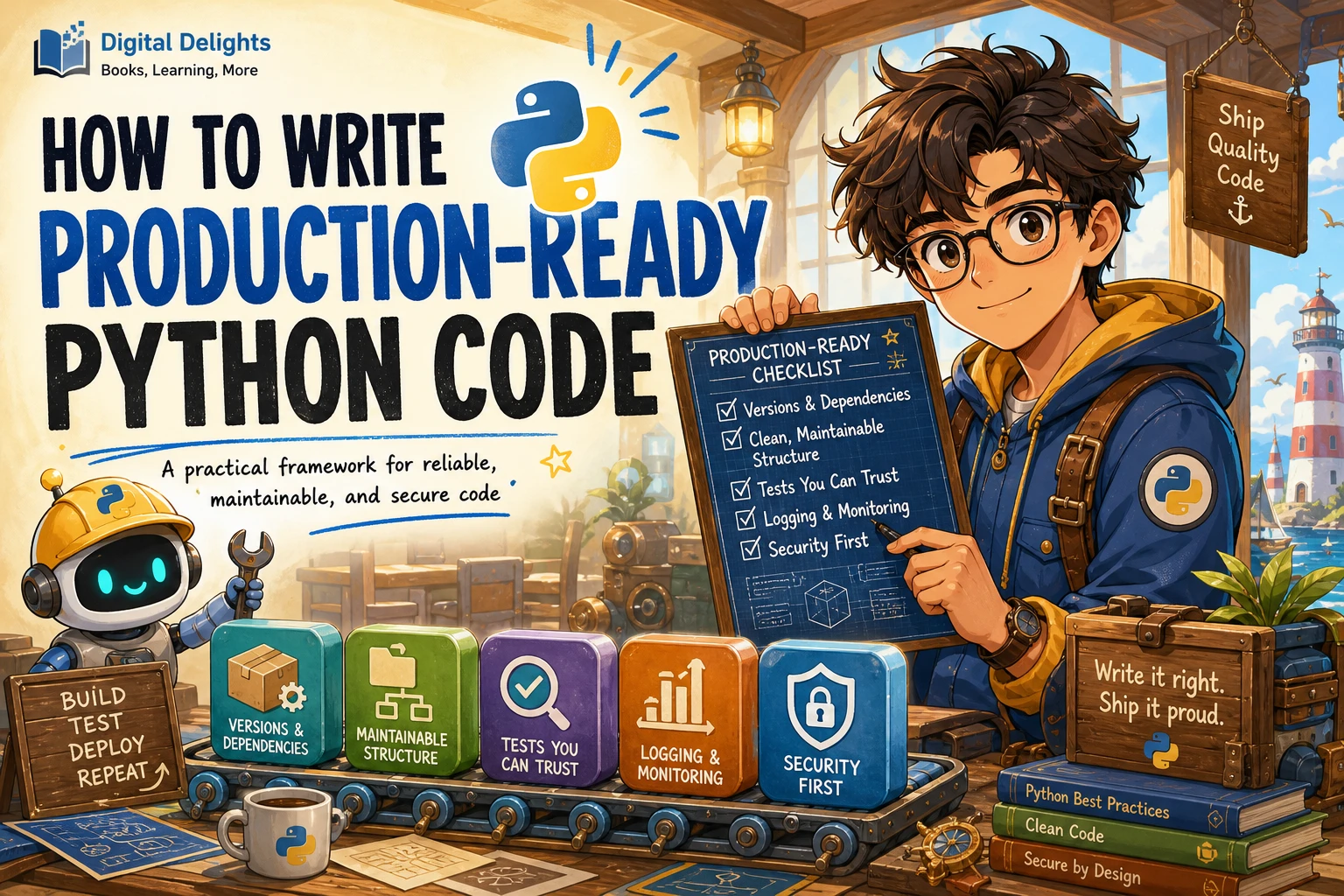
Learn how to write production-ready Python code with a practical framework for versions, dependencies, maintainable structure, tests, logging, and security.
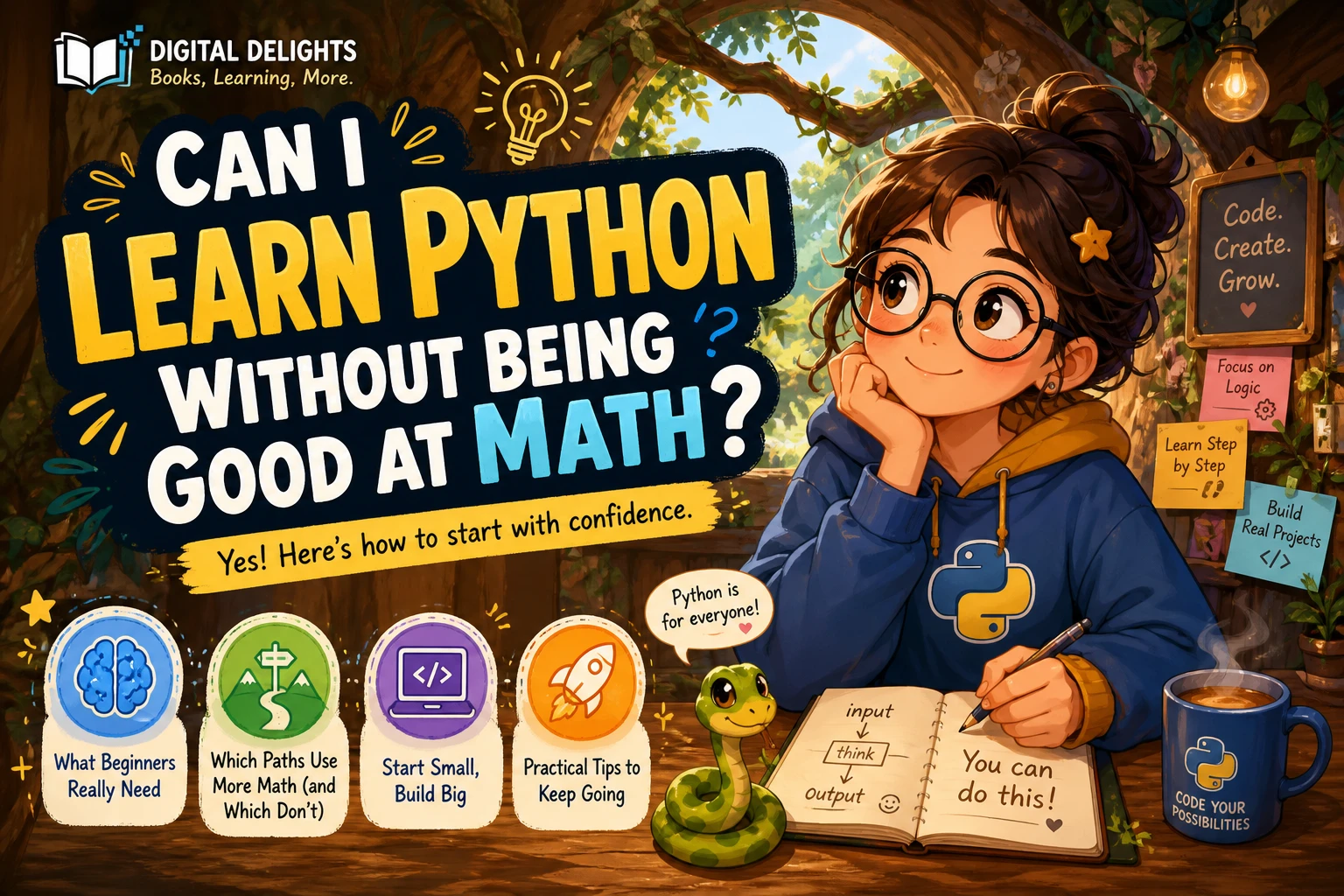
Learn Python without math confidence: see what beginners need, which coding paths use more math, and how to get started without feeling overwhelmed.
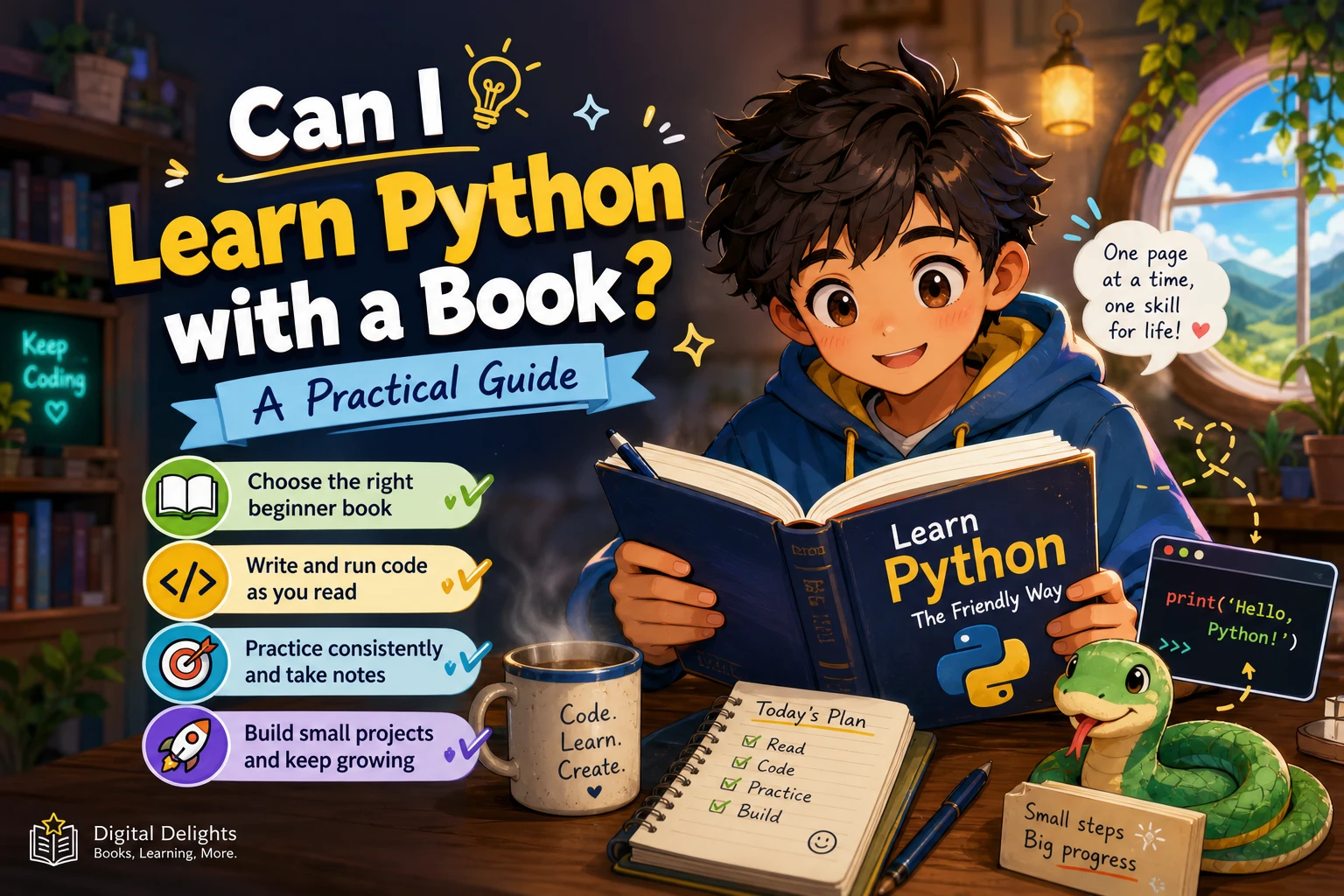
Yes, you can learn Python with a book—if you write and run code as you read. Learn how to choose a beginner title, practise effectively, and progress to small ...
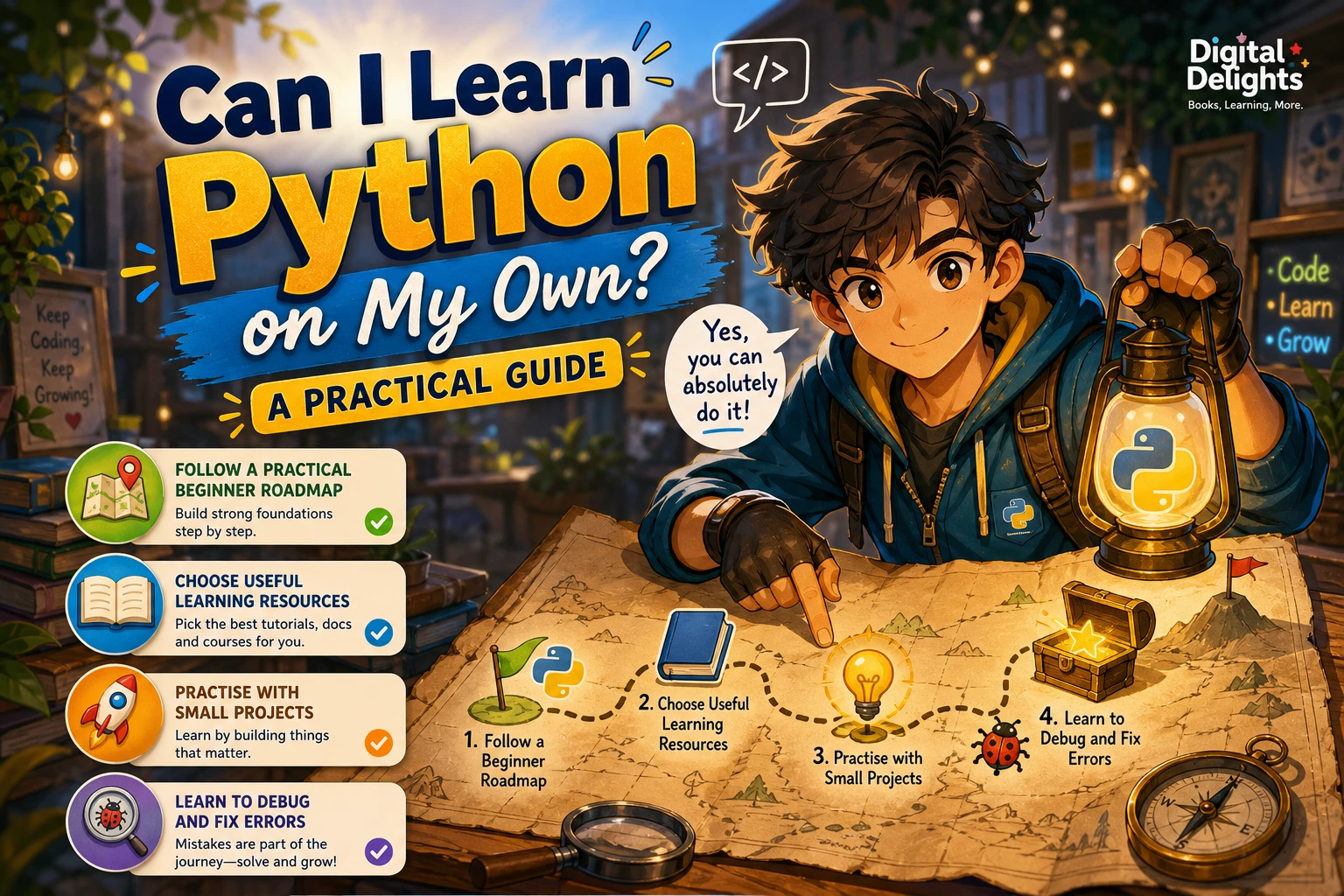
Yes, you can learn Python on your own. Follow a practical beginner roadmap, choose useful learning resources, practise with small projects, and learn how to ...
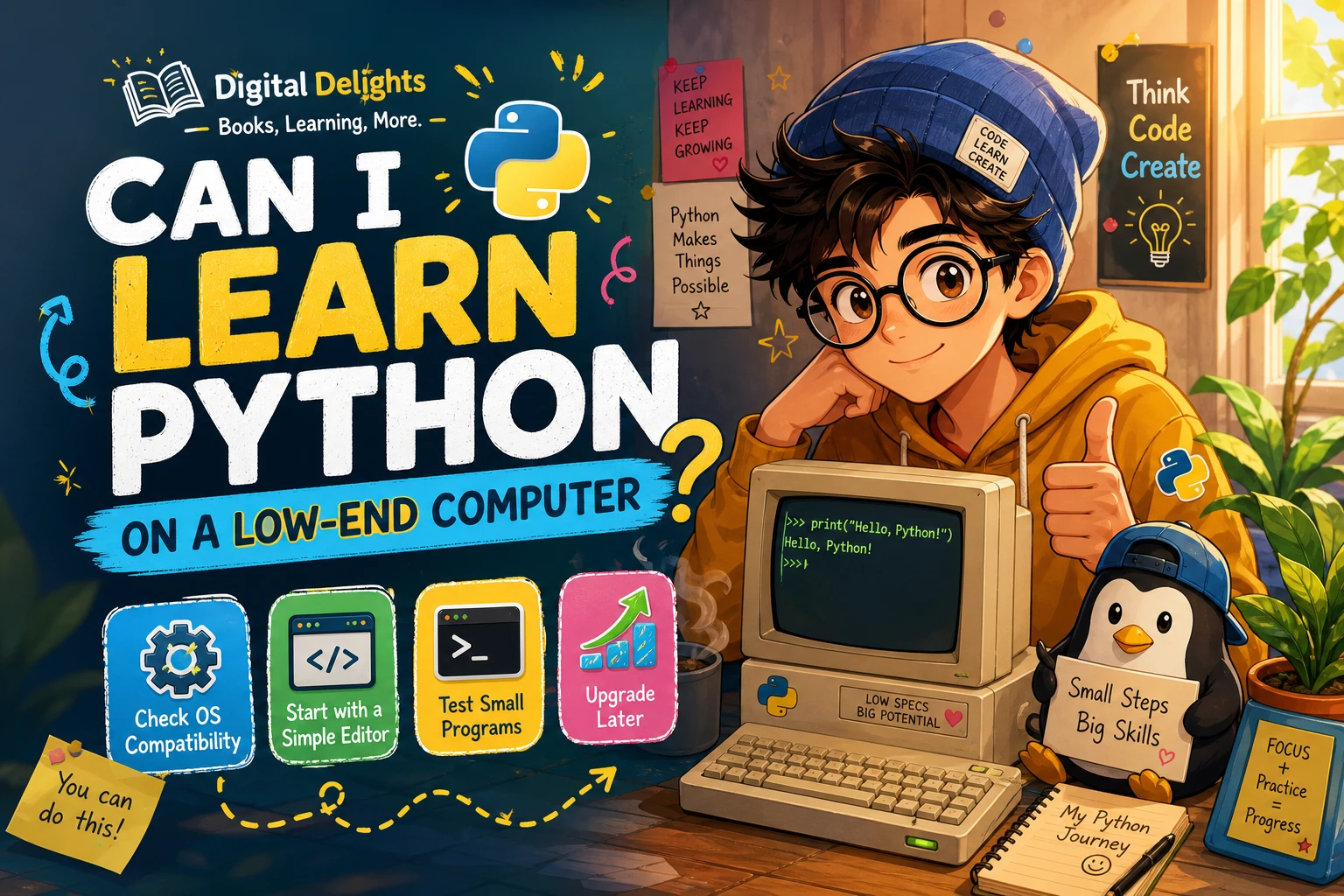
You can often learn Python on a modest computer. Check OS compatibility, start with a simple editor, and test small programs before upgrading.
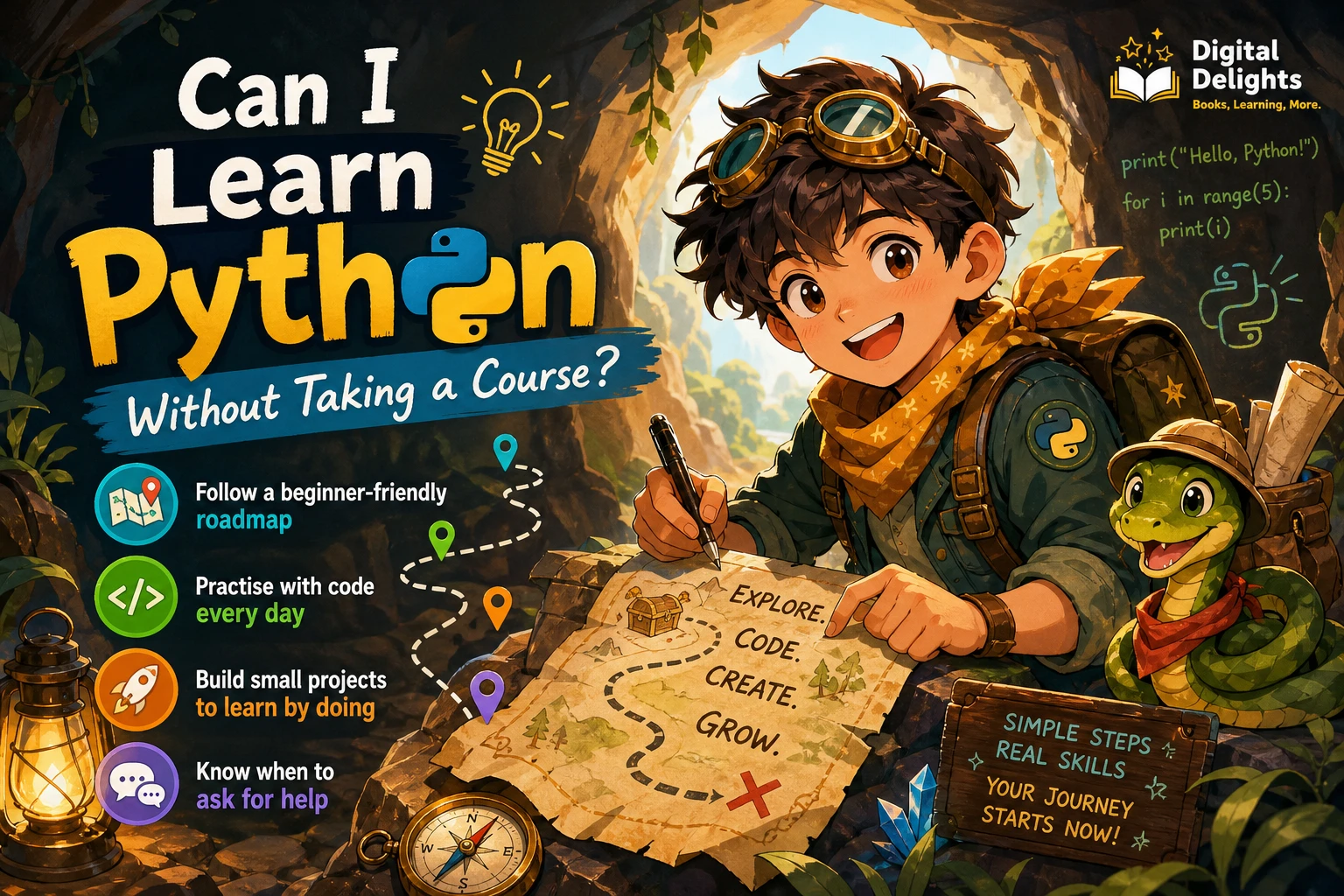
Yes, you can learn Python without a course. Follow a beginner-friendly roadmap, practise with code, build small projects, and know when to ask for help.